
- Home
- Industries
- Consumer Industry Practice - Digital Transformation for Retail & CPG
- Grocery Retail, Supermarket Chains & Food Distribution ERP | Routeget
Digital Transformation for Grocery Retail and Food Distribution
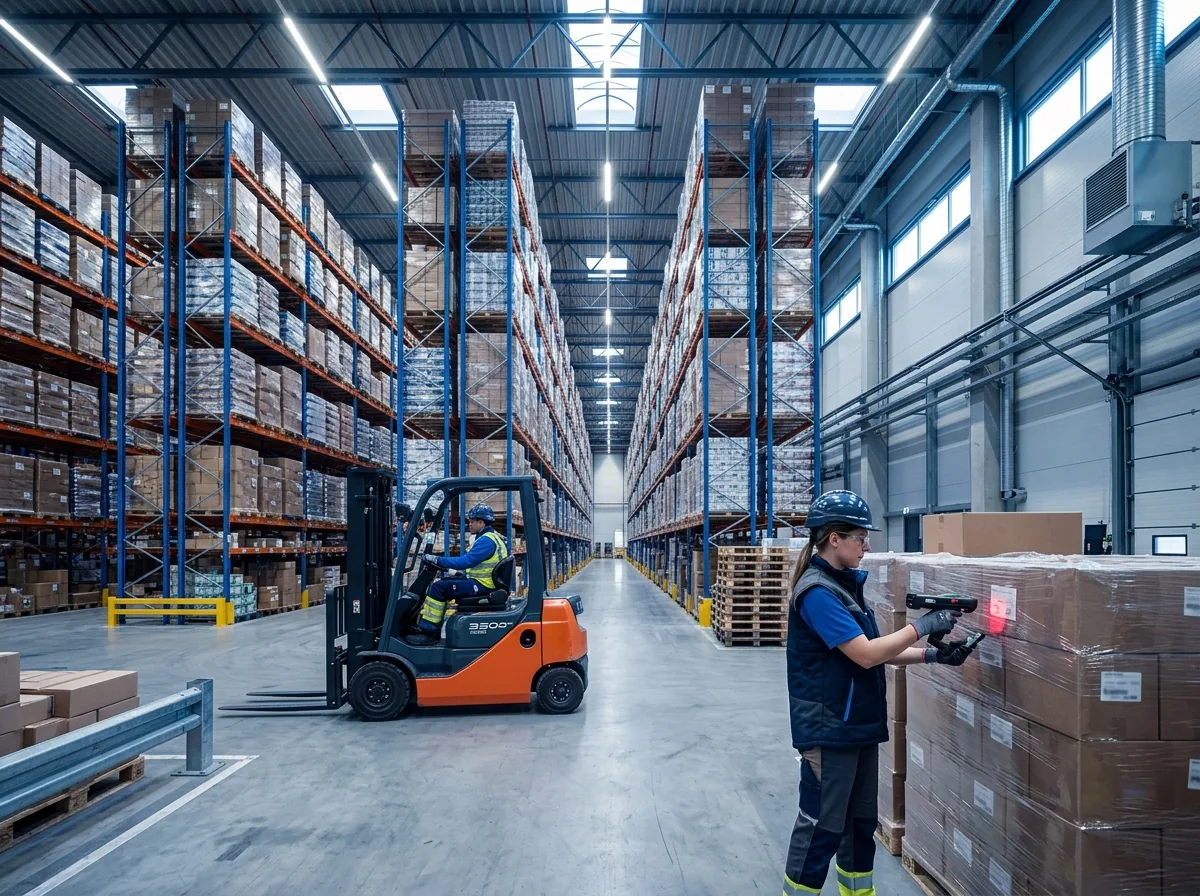
Grocery and food distribution are won on freshness, availability and cost. Routeget connects forecasting, expiry, store and warehouse data so shelves stay stocked and waste falls.
30+
clients served
$15M+
Savings Delivered
15+ yrs
Serving the Sector
20+
Projects Delivered
Grocery Retail and Food Distribution: where the market stands today
A fact base for planning. All figures below are third-party research estimates, not Routeget data, and they differ by how each firm defines the market.
Defensive demand and online growth
Grocery demand is steady, while discount formats and online or quick delivery grow.
About US$11.8 to 12.4 trillion
Market Research Reports and Zion Market Research size global grocery retail in this range.
About 3.2% to 3.6% CAGR
Grand View Research and Zion Market Research project steady growth.
Waste and availability
Cutting shrink and keeping shelves full are the main margin drivers.
Sources: Market Research Reports; Zion Market Research; Grand View Research; Ken Research. Figures vary by publisher and definition; verify before external citation. Estimates retrieved October 2026 and subject to each publisher’s definitions; verify against the publisher before citing externally.
End-to-end digital transformation
Strategy, platform selection, integration and data work delivered as one programme.
Inventory and fulfilment depth
Stock, replenishment, pricing and delivery data designed for distributors and retailers.
Omnichannel by design
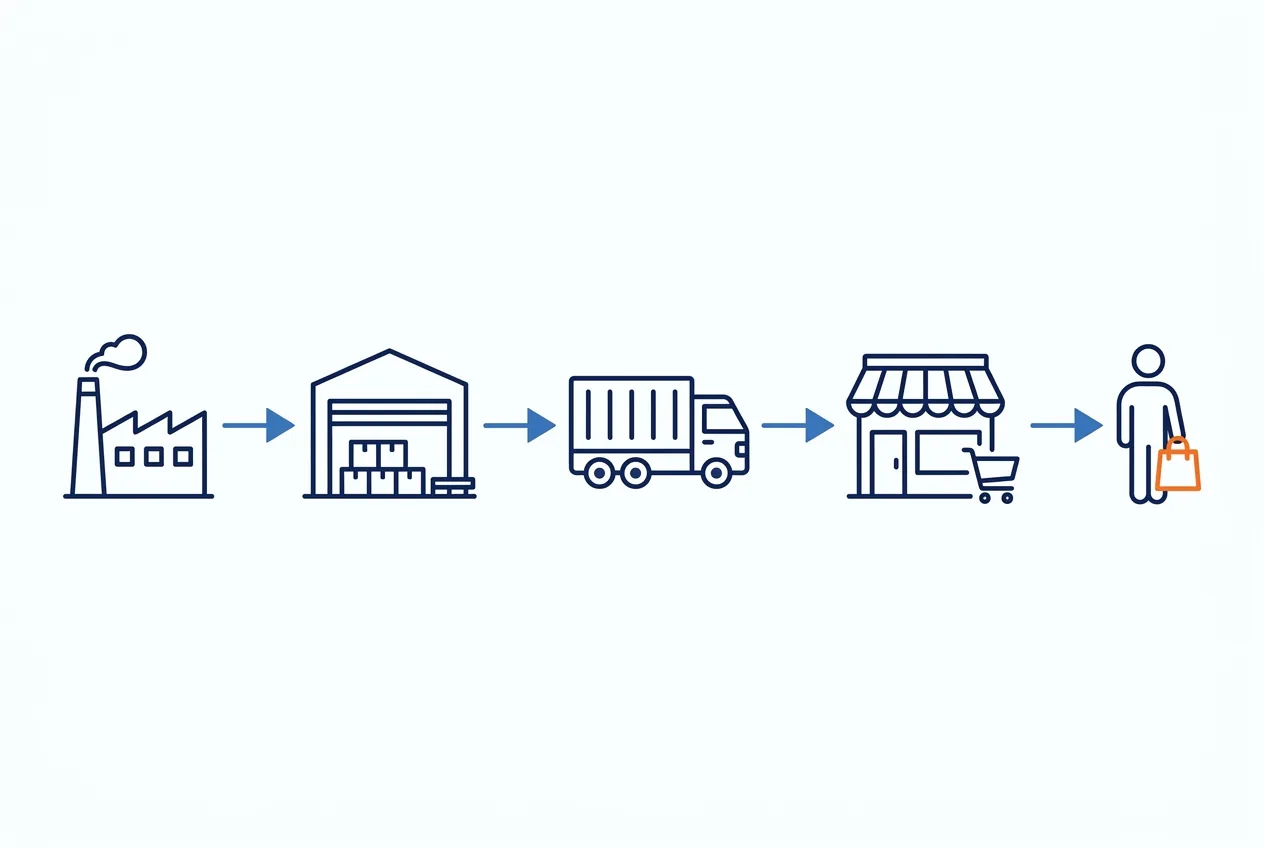
Store, wholesale, online and field-sales orders share one stock and price position.
Warehouse and fleet integration
Connections between warehouse, handheld, transport and finance systems.
Four pressures that shape grocery retail, supermarket chains & food distribution operations
These are the recurring problems we see when buying, store replenishment, cold chain and distribution operations run on disconnected systems.
Capabilities built for buying, store replenishment, cold chain and distribution operations
Pick the area closest to your priority. Each can be delivered on its own or as part of a wider programme.
Keep grocery products stock accurate across depots, stores and channels.
- Stock by location, batch and condition for grocery products
- Replenishment driven by demand and supplier lead time
- Handheld picking, putaway and cycle counting
- Returns, damage and write-off handling
Price and sell grocery products consistently across every channel.
- Customer-specific price lists, rebates and promotions
- Quotes, orders and contracts in one record
- Order capture for counter, field and online sales
- Margin visibility by customer, product and channel
Deliver grocery products on time and in full, at a known cost.
- Order allocation and dispatch planning
- Route, carrier and delivery cost tracking
- Proof of delivery and shortage capture
- Backorder and substitution management
Buy well and see margin with confidence.
- Supplier terms, lead times and purchase planning for grocery products
- Landed cost and freight absorbed into product cost
- Credit control and collections
- Working capital and stock ageing reporting
Two scenarios where connected data changes the day-to-day
These are illustrative scenarios that describe the business objective. They are not customer case studies.
Cutting waste
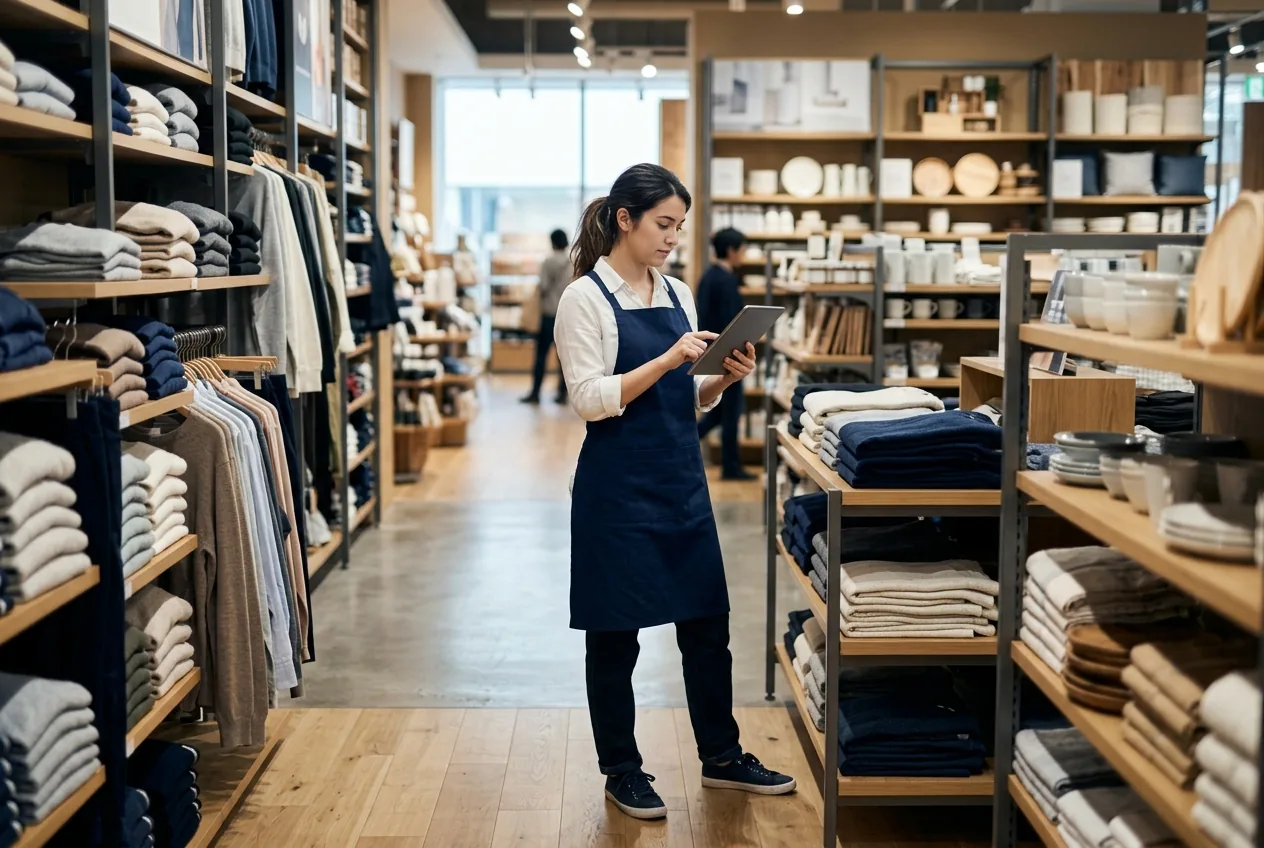
Expiry and sell-through drive markdowns and ordering.
Business objective: lower shrink.
Replenishing stores accurately
Sales data and stock set automatic orders.
Business objective: improve availability.
How we approach delivery and evidence outcomes
We do not publish unverified customer figures on industry pages. This is how we make outcomes measurable in an engagement.
Baseline first
We agree the starting measures with you before design, such as shrink and waste, on-shelf availability and supplier fill rate.
Delivery in stages
Releases are phased by site and process, so each stage is tested against real operations before the next.
Measured against your targets
Dashboards report the baseline measures from go-live, so benefit is judged on your data.
Examples of Routeget engagements can be discussed in a discovery call, subject to client approval for each reference.
Why Routeget for grocery retail, supermarket chains & food distribution
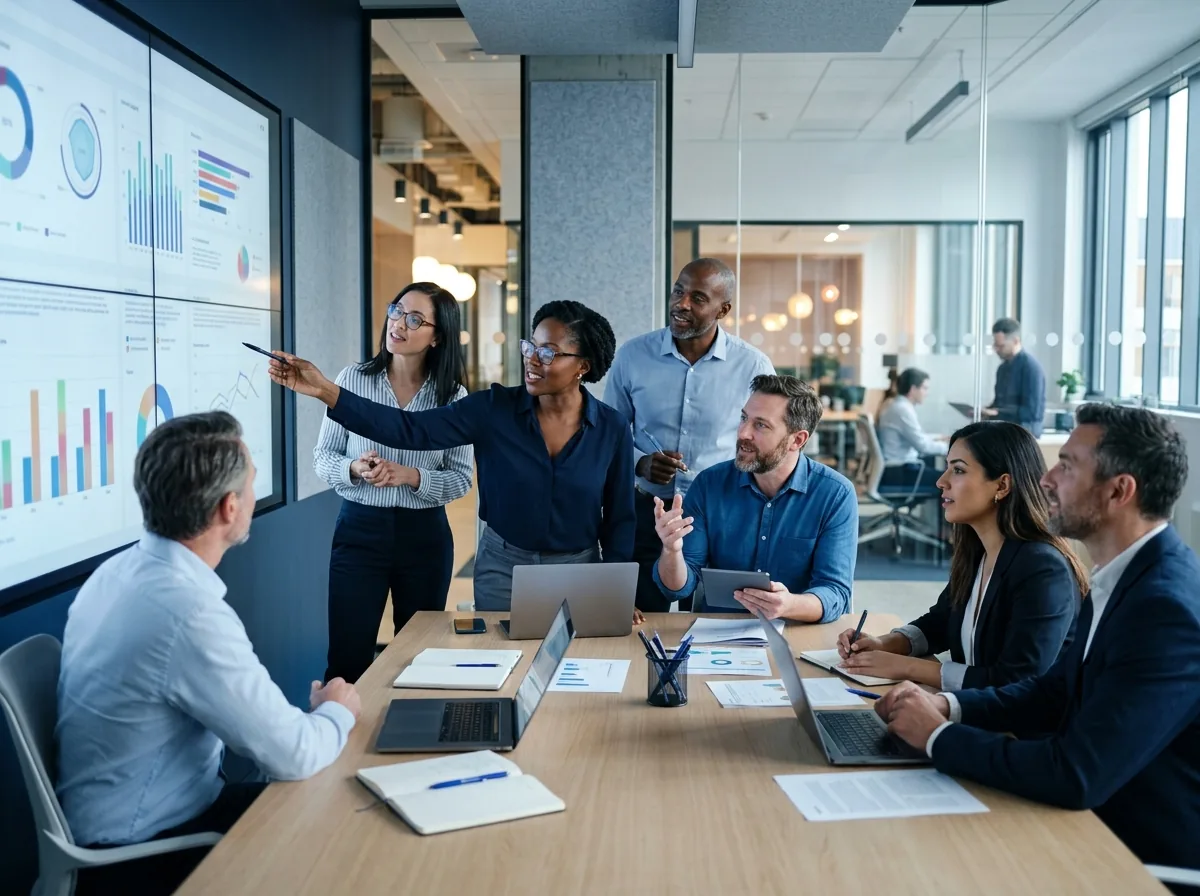
We bring a delivery approach built around the realities of perishables, thin margins and daily replenishment.
Expiry and freshness depth
We track expiry and temperature so fresh stock sells first and waste is measured.
Integrated, not stitched together
Warehouse, sales, transport, procurement and finance share one data model, so operational and financial records reconcile.
Phased, low-disruption rollout
We plan releases around festivals, weather and weekly demand cycles to protect service levels.
Data you can act on
Analytics are designed with your operations team, so measures reflect how your plants actually run.
Related reading from the Routeget team
Perspectives on the supply chain, data and integration topics behind this industry.
Why Automating our Supply Chain is Crucial to your Business Success
Why supply chain automation matters for service levels, cost and resilience.
The Evolving Landscape of Data Modernization Engineering
Trends in data modernization engineering and how they affect enterprise platforms.
AI attracts a new generation while assisting Argentine small producers and winemakers in competing
How AI is helping small producers compete in demanding markets.
Explore adjacent industry practices
Plan your grocery retail, supermarket chains & food distribution digital foundation with Routeget
Book a 30-minute discovery to walk through your stores, distribution centres, suppliers and delivery routes and your priorities with a Routeget industry specialist.
Your details are used only to respond to this enquiry. See our Privacy Policy.
Grocery Retail, Supermarket Chains & Food Distribution: questions buyers ask us
How do you engage with a grocery retail, supermarket chains & food distribution business?
We usually start with a short discovery and a process review of one category and its stores. From there we propose a phased scope, which can be fixed-scope for defined releases or a time-and-materials team for ongoing improvement.
Can you manage cold chain data?
Temperature and handling data link to lots and deliveries.
Do you support supplier scoring?
Delivery timeliness and fill rate are measured by supplier.
Who owns the data and the configuration?
You do. The solution runs in your own environment, and configuration, data models and reports are documented and handed over so your team can maintain them.
How do you approach pricing and timelines?
Pricing and timing follow scope, including the number of stores, SKUs and suppliers. We share an estimate after discovery, with assumptions and exclusions stated, and we confirm timelines only after reviewing your landscape.