
- Home
- Industries
- Fat & Oil Refinig & Blending
Digital Transformation for Fat and Oil Refining and Blending
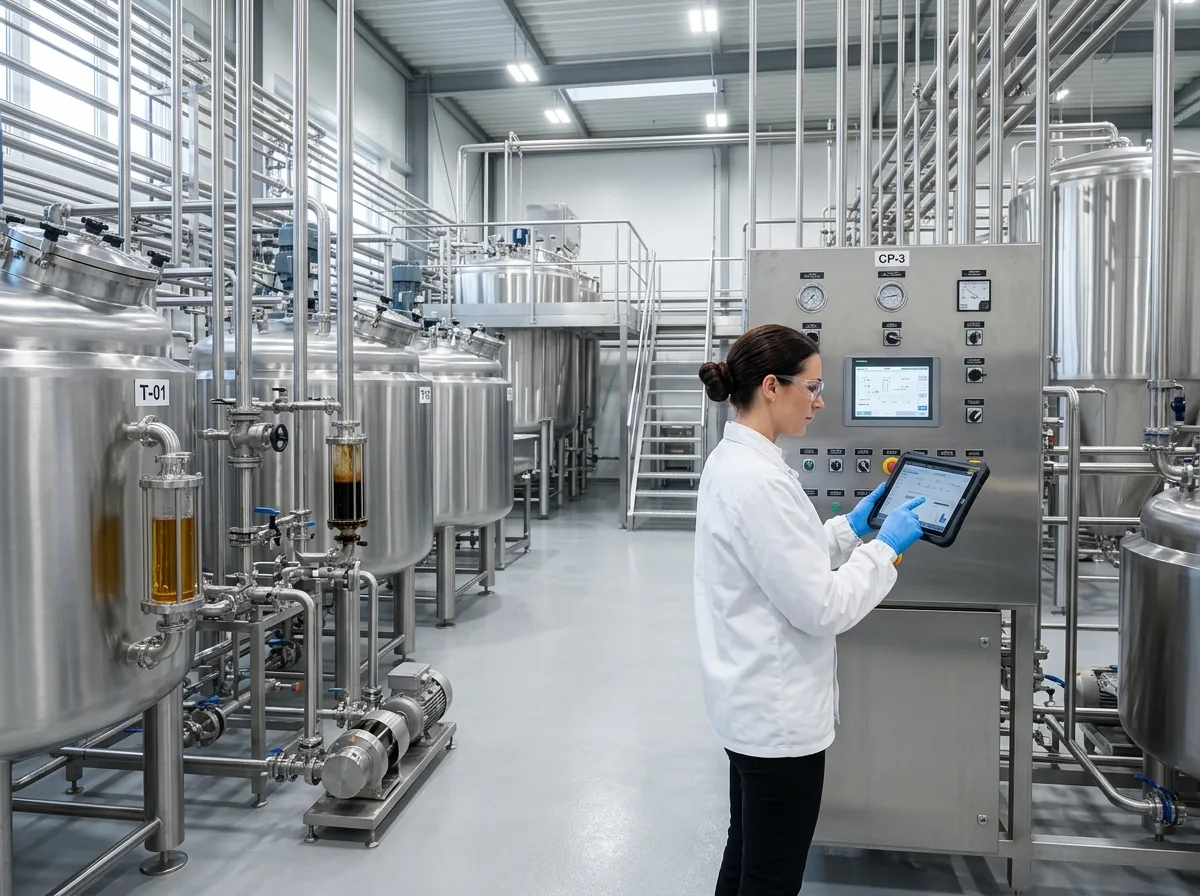
Refining and blending margins are won on yield, specification control and feedstock timing. Routeget connects tank, lab and commercial data so every blend is traceable and costed.
30+
clients served
$15M+
Savings Delivered
15+ yrs
Serving the Sector
20+
Projects Delivered
Fat and Oil Refining and Blending: where the market stands today
A fact base for planning. All figures below are third-party research estimates, not Routeget data, and they differ by how each firm defines the market.
Commodity feedstock, specialist products
Palm, soybean, sunflower and rapeseed oils dominate volume, while specialty oils and fat blends serve bakery, confectionery and foodservice. Asia-Pacific is the largest region in most reports.
US$130 billion to well over US$500 billion
Estimates vary greatly with scope. Grand View Research values the broad edible oils ecosystem at roughly US$592.5 billion, while narrower food-grade segment reports start between US$130 billion and US$280 billion.
4% to 7.9% CAGR
Grand View Research projects US$831.1 billion by 2030 at about 7.5% CAGR. Zion Market Research and Stellar Market Research cite 4.0% to 7.9% for narrower scopes, driven by population, urbanisation and foodservice demand.
Yield, blend precision and feedstock timing
Small gains in refining loss and specification giveaway are worth a great deal at bulk volumes. Linking tank, lab and purchasing data makes those gains visible.
Sources: Grand View Research (edible oils and fats); Zion Market Research; Stellar Market Research; Coherent Market Insights (specialty oil trends). Estimates retrieved October 2026 and subject to each publisher’s definitions; verify against the publisher before citing externally.
End-to-end digital transformation
Strategy, platform selection, integration and data work delivered as one programme.
Food-industry data models
Lot, recipe, yield and co-product structures designed for process manufacturing.
Traceability by design
Forward and backward lot genealogy built into inventory and quality workflows.
Plant-floor integration
Connections between production lines, scales, quality systems and the warehouse.
Four pressures that shape fat & oil refinig & blending operations
These are the recurring problems we see when refining, blending and tank-farm operations run on disconnected systems.
Refining loss hidden in averages
Neutral oil loss, bleaching earth and by-products are costed in aggregate, so the true yield of each feedstock and process is unclear.
Specification giveaway
Blends are made above specification for safety. Without lab results tied to the batch, giveaway becomes an accepted cost.
Tank visibility and cross-contamination risk
Tank status, cleaning records and heel stock sit in separate sheets, raising changeover time and quality risk.
Feedstock price exposure
Purchasing, hedging and production plans are rarely in the same view, so margin impact appears after the event.
Capabilities built for refining, blending and tank-farm operations
Pick the area closest to your priority. Each can be delivered on its own or as part of a wider programme.
Treat every refining run and blend as a costed, specification-checked batch.
- Recipe and blend management with specification ranges
- Refining batch yield, loss and co-product tracking
- Blend optimisation inputs from lab and cost data
- Batch costing from feedstock to finished grade
Know what is in each tank, how it got there and where it goes next.
- Tank inventory by grade, lot and heel stock
- Cleaning and changeover records
- Bulk receipt and dispatch with weighbridge and flow-meter data
- Road, rail and ship loading schedules
Capture laboratory results where they affect decisions.
- Laboratory results linked to batch and tank
- Release rules and holds on specification failure
- Lot genealogy from feedstock to customer
- Certificate of analysis generation
Align feedstock purchasing, contracts and margin.
- Feedstock contract and delivery tracking
- Customer contracts, pricing formulas and rebates
- Margin reporting by grade and customer
- Inventory valuation for bulk commodities
Two scenarios where connected data changes the day-to-day
These are illustrative scenarios that describe the business objective. They are not customer case studies.
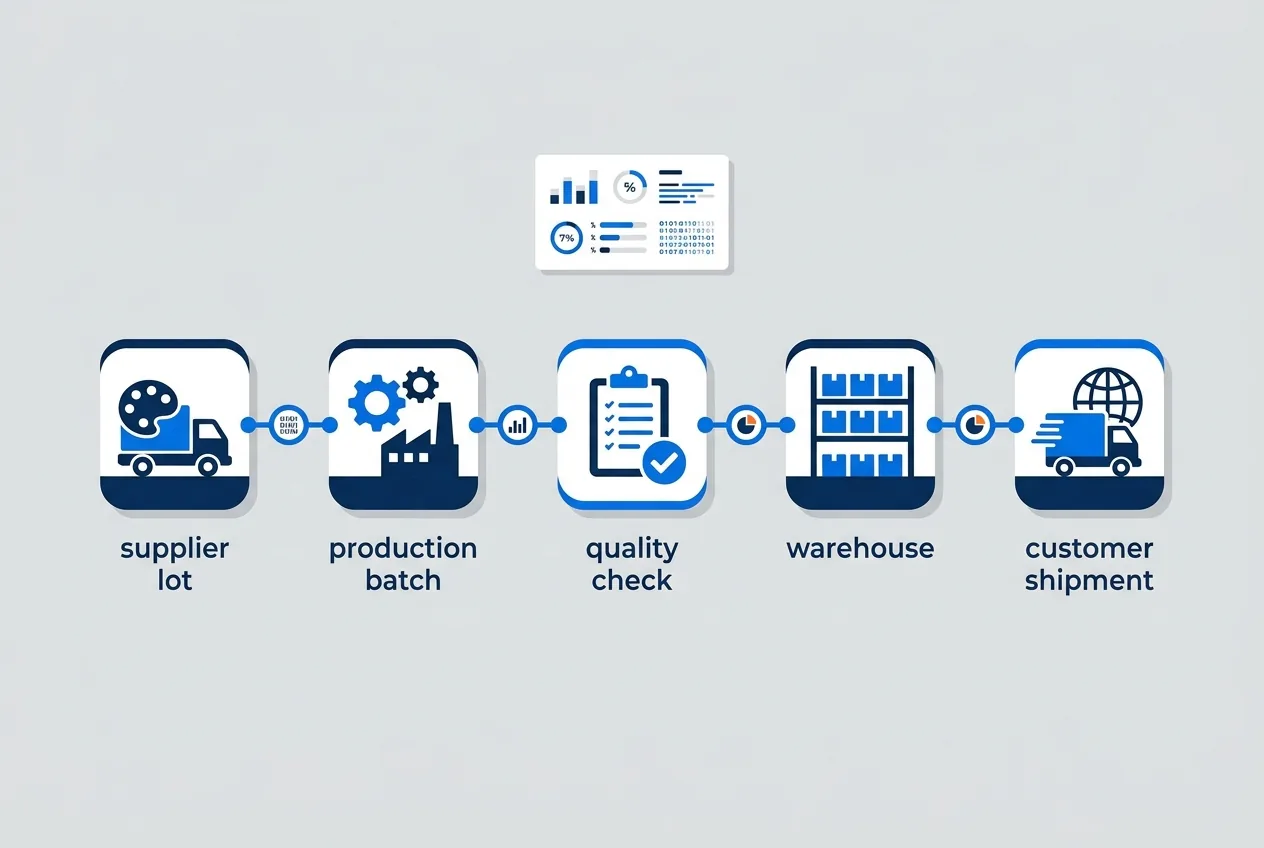
Linking lab results to every blend
Laboratory results are attached to each blend and tank. The system flags specification drift early and records actual versus target, so giveaway is measured, discussed and reduced.
Business objective: reduce over-specification while keeping every release within limits.
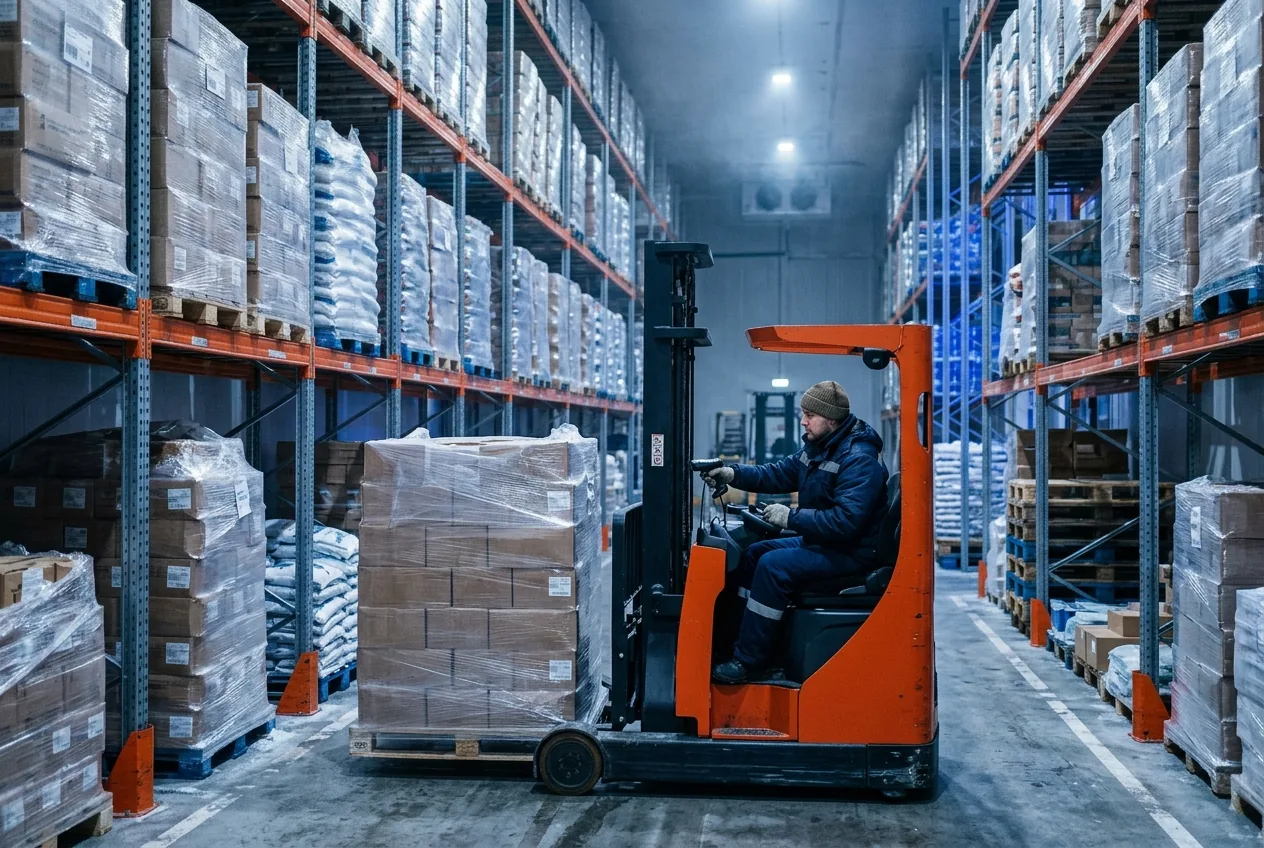
Tracing a feedstock lot through refining to the customer
If a feedstock supplier reports a contamination concern, quality searches by lot and sees every refining run, tank and customer delivery involved.
Business objective: respond quickly with complete, auditable records.
How we approach delivery and evidence outcomes
We do not publish unverified customer figures on industry pages. This is how we make outcomes measurable in an engagement.
Baseline first
We agree the starting measures with you before design, such as refining loss, blend specification giveaway and tank utilisation.
Delivery in stages
Releases are phased by site and process, so each stage is tested against real operations before the next.
Measured against your targets
Dashboards report the baseline measures from go-live, so benefit is judged on your data.
Examples of Routeget engagements can be discussed in a discovery call, subject to client approval for each reference.
Why Routeget for fat & oil refinig & blending
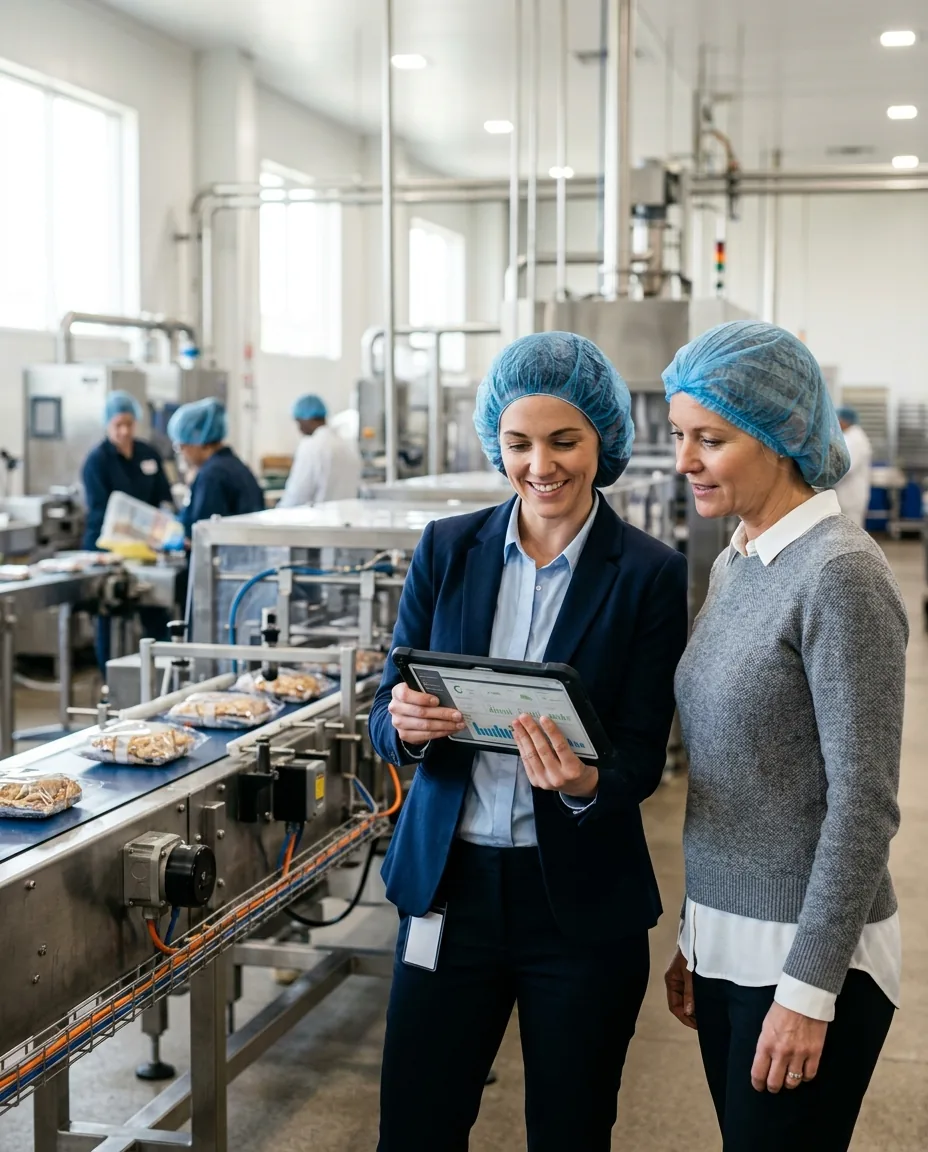
We bring a delivery approach built around the realities of commodity feedstock, tight specifications and tank-based, bulk-handling processes.
Process and bulk-liquid depth
We model tanks, blends, refining loss and co-products as core requirements, so costs follow the liquid, not just the invoice.
Integrated, not stitched together
Tank farm, laboratory, production, logistics and finance share one data model, so operational and financial records reconcile.
Phased, low-disruption rollout
We plan releases around feedstock contract cycles and planned maintenance shutdowns to protect service levels.
Data you can act on
Analytics are designed with your operations team, so measures reflect how your plants actually run.
Related reading from the Routeget team
Perspectives on the supply chain, data and integration topics behind this industry.
Why Automating our Supply Chain is Crucial to your Business Success
Why supply chain automation matters for service levels, cost and resilience.
The Evolving Landscape of Data Modernization Engineering
Trends in data modernization engineering and how they affect enterprise platforms.
AI attracts a new generation while assisting Argentine small producers and winemakers in competing
How AI is helping small producers compete in demanding markets.
Explore adjacent industry practices
Plan your fat & oil refinig & blending digital foundation with Routeget
Book a 30-minute discovery to walk through your refineries, tank farm and blending operations and your priorities with a Routeget industry specialist.
Your details are used only to respond to this enquiry. See our Privacy Policy.
Fat & Oil Refinig & Blending: questions buyers ask us
How do you engage with a fat & oil refinig & blending business?
We usually start with a short discovery and a process review of one refining or blending line with its tank farm and lab. From there we propose a phased scope, which can be fixed-scope for defined releases or a time-and-materials team for ongoing improvement.
Can you integrate flow meters, weighbridges and tank gauges?
Yes. We design integrations so bulk movements update tank inventory and batch records automatically, depending on the interfaces your equipment and control systems expose.
How do you handle co-products and by-products such as soapstock and fatty acids?
They are modelled as defined outputs of the refining run, with their own quantities, values and destinations, so main-product cost reflects the full process.
Who owns the data and the configuration?
You do. The solution runs in your own environment, and configuration, data models and reports are documented and handed over so your team can maintain them.
How do you approach pricing and timelines?
Pricing and timing follow scope, including the number of refining lines, tank assets and grades handled. We share an estimate after discovery, with assumptions and exclusions stated, and we confirm timelines only after reviewing your landscape.