
- Home
- Industries
- Data Processing & Hosting
Digital Transformation for Data Processing and Hosting Providers
Hosting providers sell availability and trust. Routeget connects service catalogues, capacity, contracts, incident and billing data so uptime commitments are met and every customer is billed correctly.

30+
clients served
$15M+
Savings Delivered
15+ yrs
Serving the Sector
20+
Projects Delivered
Data Processing and Hosting: where the market stands today
A fact base for planning. All figures below are third-party research estimates, not Routeget data, and they differ by how each firm defines the market.
AI and cloud driven expansion
AI workloads, cloud adoption and data sovereignty drive new capacity and hosting demand.
About US$69 to 319 billion
Market Research Future sizes data centre facilities near US$69 billion, while Spherical Insights sizes the broader market near US$319 billion.
About 6.3% to 10.8% CAGR
Publishers project strong growth, with the broader market growing faster than facilities.
Capacity planning and billing accuracy
Aligning capacity to contracted demand and billing precisely on usage protect margin as workloads grow.
Sources: Market Research Future; Spherical Insights. Figures vary by publisher and definition; verify before external citation. Estimates retrieved October 2026 and subject to each publisher’s definitions; verify against the publisher before citing externally.
End-to-end digital transformation
Strategy, platform selection, integration and data work delivered as one programme.
Services and project economics
Utilisation, billing, contracts and delivery data designed for service organisations.
Data and platform engineering
Integration, data quality and reporting built into the operating model.
Secure by design
Access control, audit trails and data protection considered from the first workshop.
Four pressures that shape data processing & hosting operations
These are the recurring problems we see when provisioning, capacity management, support and metered billing operations run on disconnected systems.
Usage-based billing
Metered usage reaches invoices late and sometimes incorrectly.
Incident and credit tracking
Service credits are calculated manually after incidents.
Capabilities built for provisioning, capacity management, support and metered billing operations
Pick the area closest to your priority. Each can be delivered on its own or as part of a wider programme.
Plan and deliver hosting and data processing services work with control.
- Engagements, scopes and statements of work
- Resource planning and utilisation tracking
- Time, expense and milestone capture
- Delivery status and risk reporting
Bill accurately and on time.
- Fixed-fee, time-and-materials and retainer billing
- Revenue recognition support
- Contract renewals and change orders
- Invoice and collections follow-up
Run reliable, observable services.
- Service catalogue and incident tracking
- Capacity and cost monitoring
- Data pipelines and quality checks
- Access control and audit trails
See profitability by client and service.
- Pipeline and opportunity tracking
- Margin by client, service and project
- Budget versus actual reporting
- Working capital and forecast views
Two scenarios where connected data changes the day-to-day
These are illustrative scenarios that describe the business objective. They are not customer case studies.

Billing exactly on usage
Metered usage and contract rates produce invoices and credits automatically.
Business objective: cut disputes and revenue leakage.
Planning capacity ahead
Contracted pipeline and utilisation set expansion plans.
Business objective: avoid stranded or missing capacity.
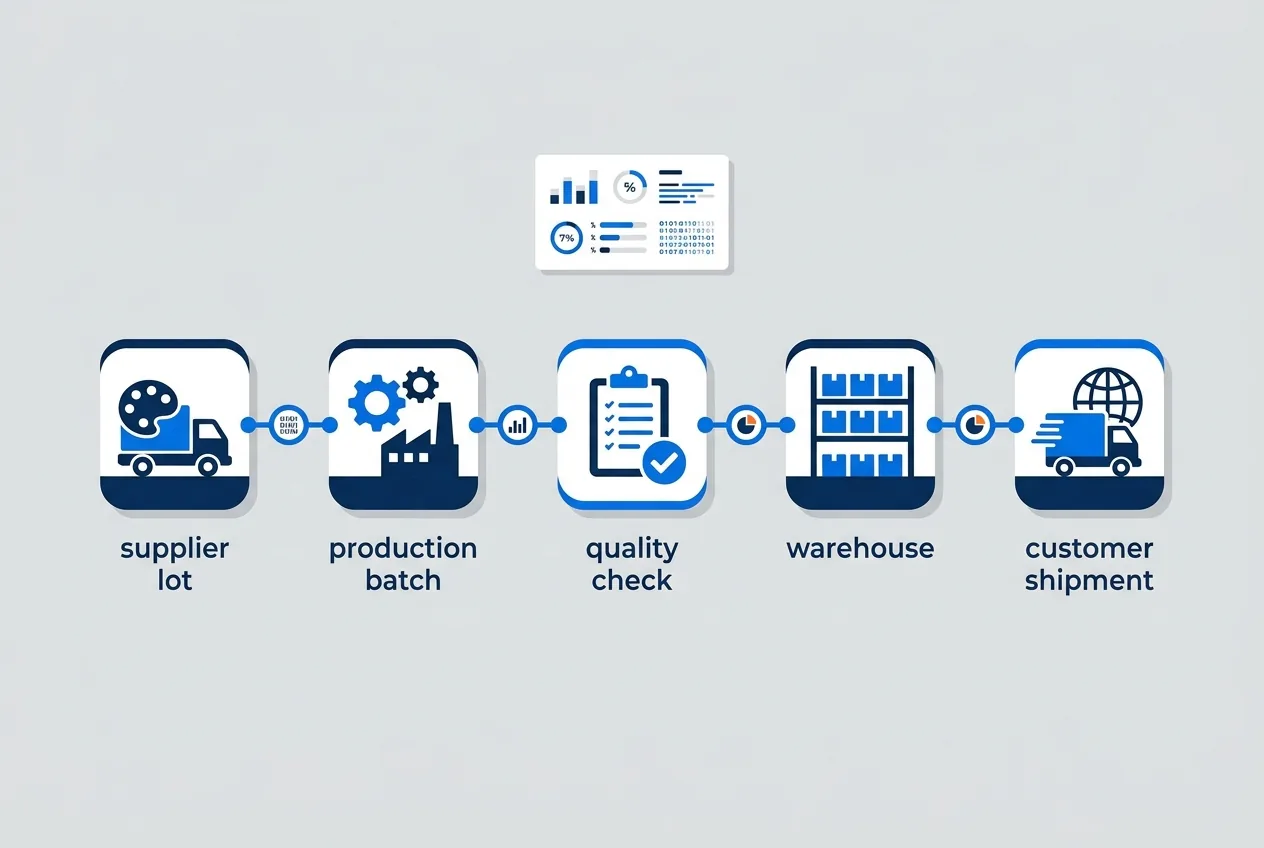
How we approach delivery and evidence outcomes
We do not publish unverified customer figures on industry pages. This is how we make outcomes measurable in an engagement.
Baseline first
We agree the starting measures with you before design, such as service availability, billing accuracy and capacity utilisation.
Delivery in stages
Releases are phased by site and process, so each stage is tested against real operations before the next.
Measured against your targets
Dashboards report the baseline measures from go-live, so benefit is judged on your data.
Examples of Routeget engagements can be discussed in a discovery call, subject to client approval for each reference.
Why Routeget for data processing & hosting
We bring a delivery approach built around the realities of uptime commitments, capacity planning and usage-based billing.
Service and usage depth
We link contracts, usage and incidents so billing and service credits are exact.
Integrated, not stitched together
Delivery, billing, platform operations and finance share one data model, so operational and financial records reconcile.
Phased, low-disruption rollout
We plan releases around customer migrations, renewals and capacity expansions to protect service levels.
Data you can act on
Analytics are designed with your operations team, so measures reflect how your plants actually run.
Related reading from the Routeget team
Perspectives on the supply chain, data and integration topics behind this industry.
Why Automating our Supply Chain is Crucial to your Business Success
Why supply chain automation matters for service levels, cost and resilience.
The Evolving Landscape of Data Modernization Engineering
Trends in data modernization engineering and how they affect enterprise platforms.
AI attracts a new generation while assisting Argentine small producers and winemakers in competing
How AI is helping small producers compete in demanding markets.
Explore adjacent industry practices
Plan your data processing & hosting digital foundation with Routeget
Book a 30-minute discovery to walk through your data centres, service tiers, contracts and customers and your priorities with a Routeget industry specialist.
Your details are used only to respond to this enquiry. See our Privacy Policy.
Data Processing & Hosting: questions buyers ask us
How do you engage with a data processing & hosting business?
We usually start with a short discovery and a process review of one service tier and its customers. From there we propose a phased scope, which can be fixed-scope for defined releases or a time-and-materials team for ongoing improvement.
Can you bill from metered data?
Usage records from your platforms are rated against contract terms and invoiced.
Do you track service levels?
Availability and incident data are linked to contracts to calculate credits.
Who owns the data and the configuration?
You do. The solution runs in your own environment, and configuration, data models and reports are documented and handed over so your team can maintain them.
How do you approach pricing and timelines?
Pricing and timing follow scope, including the number of services, customers and facilities. We share an estimate after discovery, with assumptions and exclusions stated, and we confirm timelines only after reviewing your landscape.