
- Home
- Industries
- Sanitation Product Manufacturing
Digital Transformation for Sanitation Product Manufacturing
Sanitation products must be effective and compliant every time. Routeget connects formulation, batch quality, regulatory records and distribution so each lot is verifiable and supply is dependable.
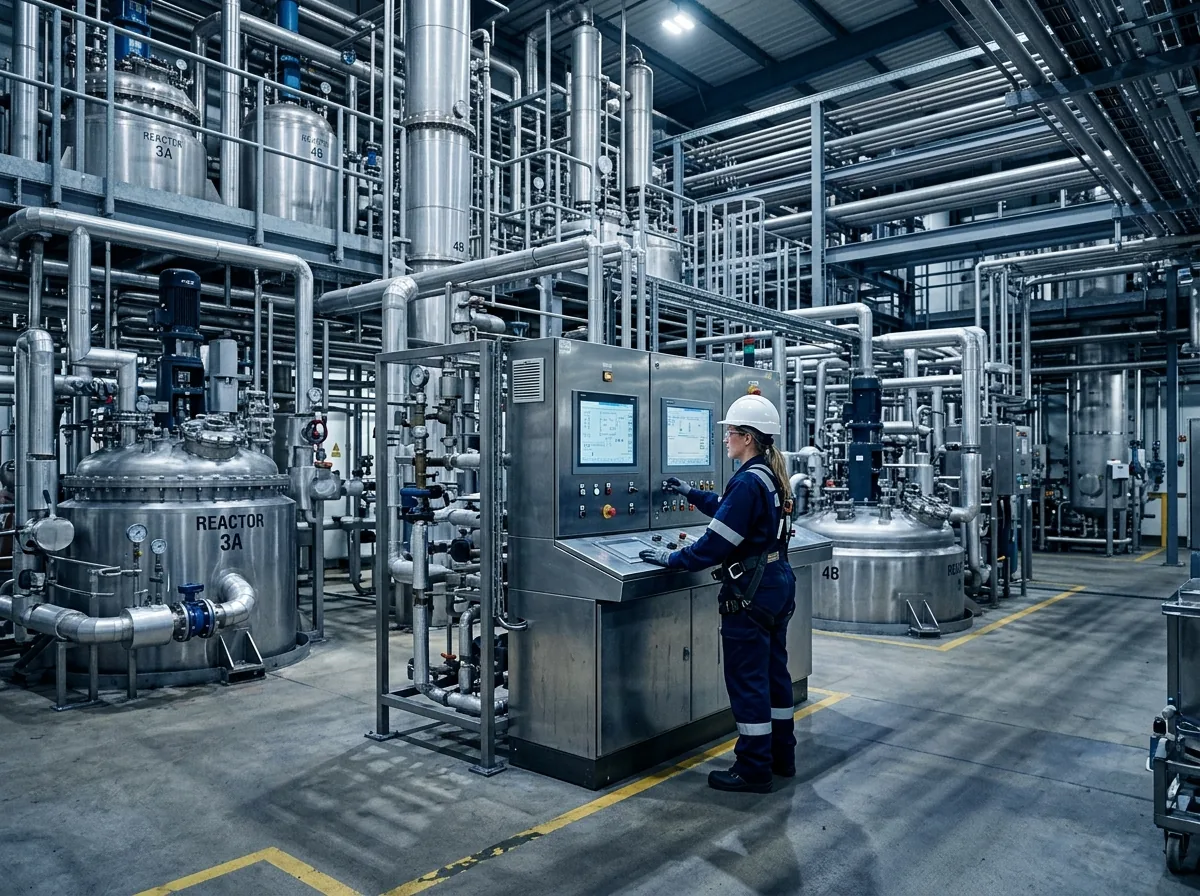
30+
clients served
$15M+
Savings Delivered
15+ yrs
Serving the Sector
20+
Projects Delivered
Sanitation Product Manufacturing: where the market stands today
A fact base for planning. All figures below are third-party research estimates, not Routeget data, and they differ by how each firm defines the market.
Hygiene-led and institution-heavy
Healthcare, food service, hospitality and households sustain demand for disinfectants, sanitisers and cleaning chemicals.
About US$6.7 to 38 billion
Market Research Future and others size disinfectant chemicals near US$6.7 billion, with broader sanitation definitions reaching about US$35 to 38 billion.
About 7.0% to 10.5% CAGR
Custom Market Insights, Databridge and Grand View Research project growth above the wider chemicals market.
Surge capacity and compliance
Manufacturers that connect demand signals, stock and batch quality can scale supply quickly without compromising approved formulations.
Sources: Market Research Future; Custom Market Insights; Databridge; Grand View Research; Spherical Insights. Figures vary by publisher and definition; verify before external citation. Estimates retrieved October 2026 and subject to each publisher’s definitions; verify against the publisher before citing externally.
End-to-end digital transformation
Strategy, platform selection, integration and data work delivered as one programme.
Process-manufacturing data models
Formulas, batches, yield and co-product structures designed for chemicals and materials.
Compliance and safety traceability
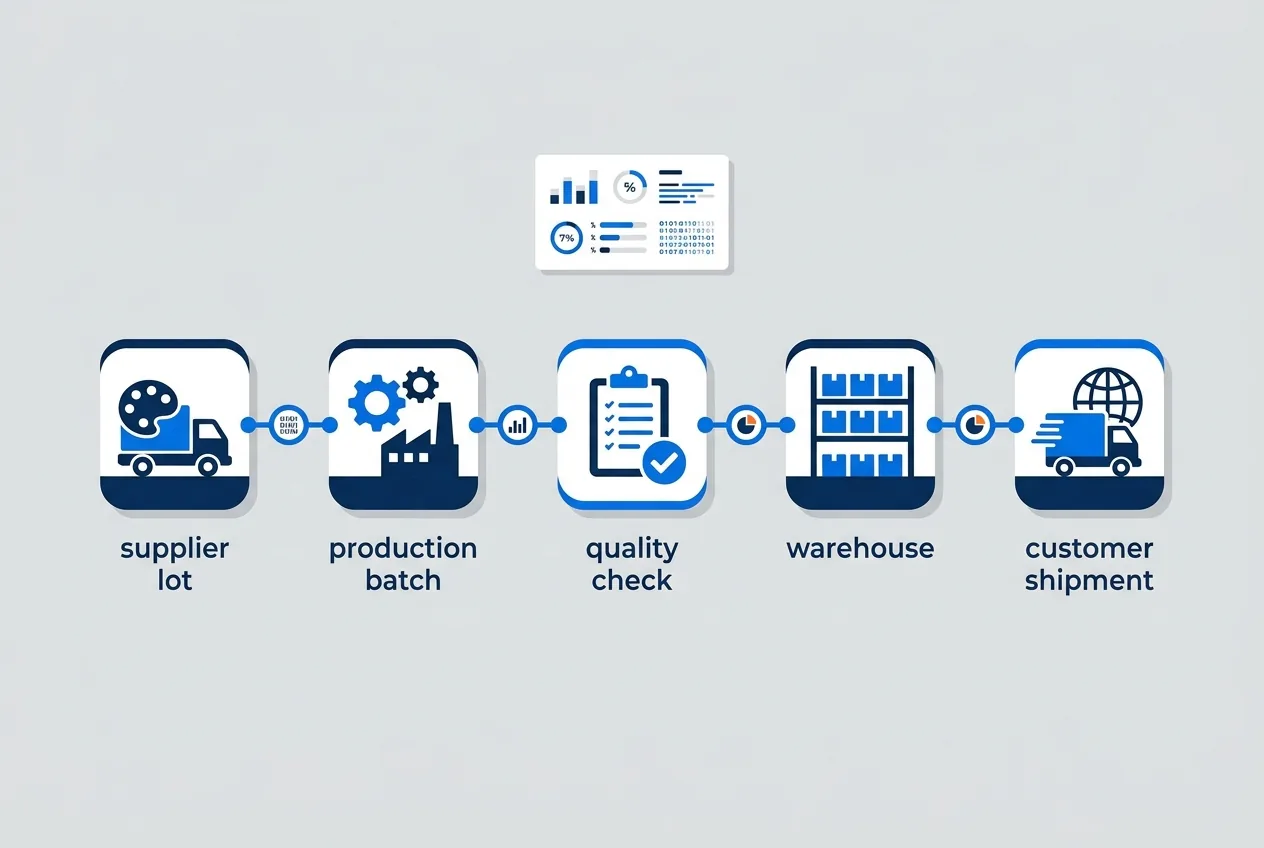
Lot genealogy, certificates and hazard data linked to every batch and shipment.
Plant and laboratory integration
Connections between process equipment, laboratory systems, warehouse and finance.
Four pressures that shape sanitation product manufacturing operations
These are the recurring problems we see when blending, filling, labelling and dispatch operations run on disconnected systems.
Efficacy and label compliance
Active-ingredient strength and label claims must match approvals, yet records are scattered.
Demand spikes
Demand can multiply within weeks, and planning systems react slowly.
Batch testing evidence
Test results are filed separately, which slows release and audits.
Institutional delivery
Hospitals and food businesses expect scheduled, documented deliveries.
Capabilities built for blending, filling, labelling and dispatch operations
Pick the area closest to your priority. Each can be delivered on its own or as part of a wider programme.
Control formulas and specifications for sanitation products.
- Formula and recipe management with version control
- Specification limits linked to each batch
- Co-product and by-product handling
- Change control with approvals
Cost and run every batch of sanitation products with full visibility.
- Batch and continuous process orders
- Yield, loss and energy capture by run
- Tank, reactor and line scheduling
- Real cost per batch including utilities and labour
Prove every lot against its specification and regulations.
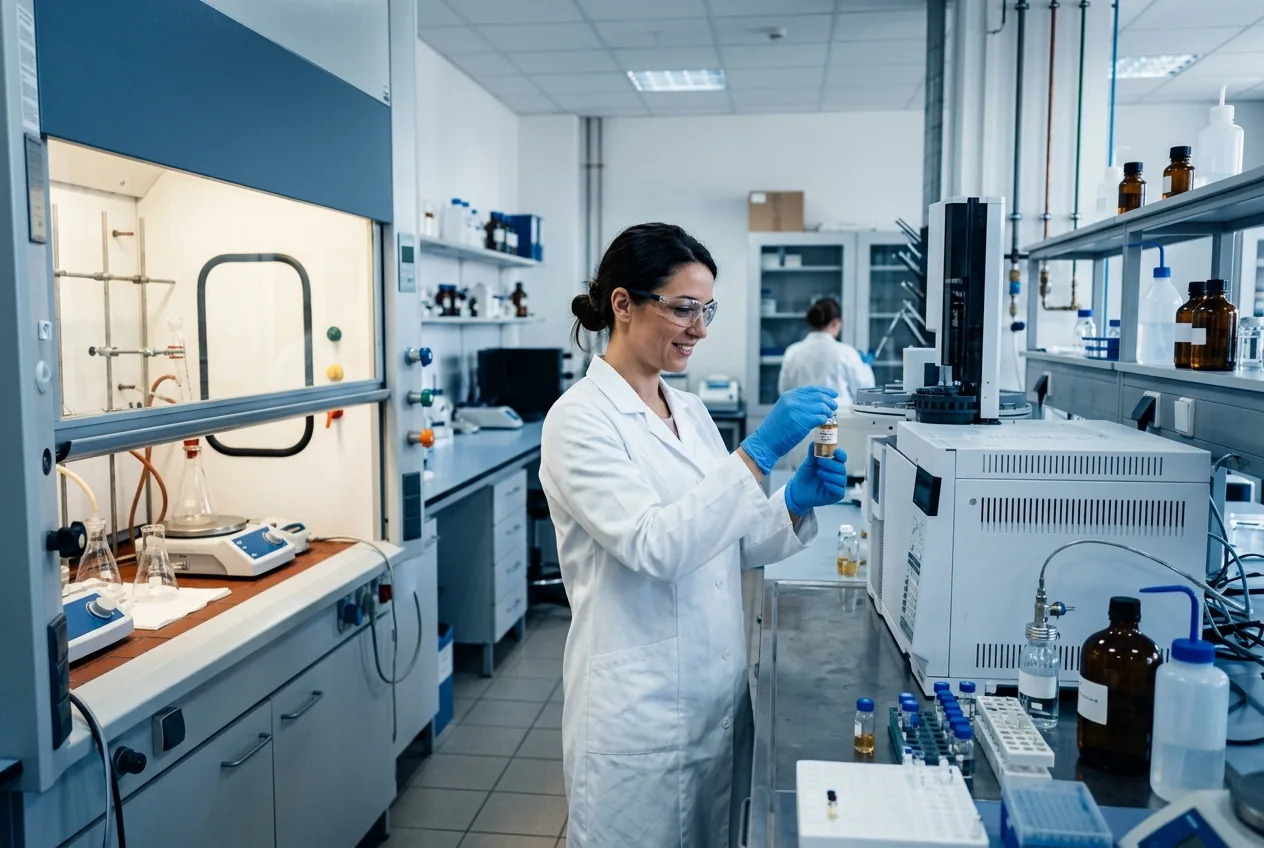
- Laboratory results and certificates of analysis by lot
- Safety data sheets and hazard classification linked to products
- Forward and backward lot genealogy
- Audit packs and corrective-action tracking
Plan materials, storage and delivery.
- Raw material planning and supplier approval
- Hazardous-goods storage and transport documentation
- Customer-specific pricing and contracts
- Margin by product, grade and customer
Two scenarios where connected data changes the day-to-day
These are illustrative scenarios that describe the business objective. They are not customer case studies.
Scaling output during a demand spike
Forecast, raw material availability and line capacity are viewed together, so the team commits to volumes it can deliver.
Business objective: protect customers and avoid expedited costs.
Evidencing compliance to an institutional buyer
Approvals, batch tests and delivery records for a given lot are produced in one pack.
Business objective: win and keep regulated customers.
How we approach delivery and evidence outcomes
We do not publish unverified customer figures on industry pages. This is how we make outcomes measurable in an engagement.
Baseline first
We agree the starting measures with you before design, such as batch compliance rate, order fill rate and surge response time.
Delivery in stages
Releases are phased by site and process, so each stage is tested against real operations before the next.
Measured against your targets
Dashboards report the baseline measures from go-live, so benefit is judged on your data.
Examples of Routeget engagements can be discussed in a discovery call, subject to client approval for each reference.

Why Routeget for sanitation product manufacturing
We bring a delivery approach built around the realities of efficacy claims, regulatory approvals and demand spikes.
Efficacy and approval depth
We link active-ingredient strength, approvals and label claims to each batch so compliance can be demonstrated.
Integrated, not stitched together
Plant, laboratory, warehouse, quality and finance share one data model, so operational and financial records reconcile.
Phased, low-disruption rollout
We plan releases around outbreaks, seasonal hygiene campaigns and institutional contracts to protect service levels.
Data you can act on
Analytics are designed with your operations team, so measures reflect how your plants actually run.
Related reading from the Routeget team
Perspectives on the supply chain, data and integration topics behind this industry.
Why Automating our Supply Chain is Crucial to your Business Success
Why supply chain automation matters for service levels, cost and resilience.
The Evolving Landscape of Data Modernization Engineering
Trends in data modernization engineering and how they affect enterprise platforms.
AI attracts a new generation while assisting Argentine small producers and winemakers in competing
How AI is helping small producers compete in demanding markets.
Explore adjacent industry practices
Plan your sanitation product manufacturing digital foundation with Routeget
Book a 30-minute discovery to walk through your plants, laboratories, contract fillers and institutional accounts and your priorities with a Routeget industry specialist.
Your details are used only to respond to this enquiry. See our Privacy Policy.
Sanitation Product Manufacturing: questions buyers ask us
How do you engage with a sanitation product manufacturing business?
We usually start with a short discovery and a process review of one product group with its top customers. From there we propose a phased scope, which can be fixed-scope for defined releases or a time-and-materials team for ongoing improvement.
Can you manage active-ingredient strength?
Yes. Strength and test results are recorded per batch and checked against specification before release.
Do you support institutional contracts?
Contract prices, schedules and delivery documents are managed per account with fill-rate reporting.
Who owns the data and the configuration?
You do. The solution runs in your own environment, and configuration, data models and reports are documented and handed over so your team can maintain them.
How do you approach pricing and timelines?
Pricing and timing follow scope, including the number of products, approvals and institutional customers. We share an estimate after discovery, with assumptions and exclusions stated, and we confirm timelines only after reviewing your landscape.