

- Home
- Industries
- Private Equity Portfolio Modernization & IT Due Diligence | Routeget
Digital Transformation for Private Equity Portfolio Modernisation
Private equity value is created in the portfolio. Routeget helps firms assess technology during diligence and modernise operations afterwards, so portfolio companies report cleanly, run efficiently and are ready for exit.

30+
clients served
$15M+
Savings Delivered
15+ yrs
Serving the Sector
20+
Projects Delivered
Private Equity: where the market stands today
A fact base for planning. All figures below are third-party research estimates, not Routeget data, and they differ by how each firm defines the market.
Large, active and operations-focused
Firms increasingly compete on operational improvement rather than financial engineering alone.
About US$7.2 to 7.5 trillion in PE assets
GM Insights sizes global private equity assets under management in this range, within a wider private markets universe PwC sizes in the tens of trillions.
About 8% to 12.6% CAGR
PwC projects private market revenues growing about 8.2% a year to 2030, while GM Insights projects higher growth for private equity assets.
Diligence depth and faster integration
Early technology diligence and standardised reporting protect value and speed integration of add-ons.
Sources: GM Insights; PwC. Figures vary by publisher and definition; verify before external citation. Estimates retrieved October 2026 and subject to each publisher’s definitions; verify against the publisher before citing externally.
End-to-end digital transformation
Strategy, platform selection, integration and data work delivered as one programme.
Regulated finance data models
Accounts, positions, policies and ledgers structured for reconciliation and audit.
Risk and compliance visibility
Controls, approvals and evidence captured as part of the workflow.
Secure integration
Connections between core, channel, reporting and finance systems with strict access control.
Four pressures that shape private equity portfolio operations
These are the recurring problems we see when diligence, integration, reporting and value-creation operations run on disconnected systems.
Technology diligence gaps
Deal timelines leave little time to test systems, security and scalability.
Inconsistent reporting
Each portfolio company reports on its own template and calendar.
Exit readiness
Buyers question data quality and system maturity late in the process.
Capabilities built for diligence, integration, reporting and value-creation operations
Pick the area closest to your priority. Each can be delivered on its own or as part of a wider programme.
Hold one trusted record for portfolio companies.
- Customer, account and relationship data in one model
- Onboarding and verification workflows
- Consent and data-protection records
- Service requests and case history
Keep every transaction reconciled.
- Ledger, sub-ledger and reconciliation controls
- Payments, settlements and exception handling
- Period close and consolidation
- Audit trails for every posting
Make controls visible and evidence ready.
- Policy, limit and approval workflows
- Regulatory reporting data preparation
- Monitoring and alert investigation
- Evidence capture for audits
Serve customers and see performance.
- Digital and branch channel integration
- Product and portfolio performance reporting
- Customer profitability analysis
- Forecasting and scenario views
Two scenarios where connected data changes the day-to-day
These are illustrative scenarios that describe the business objective. They are not customer case studies.
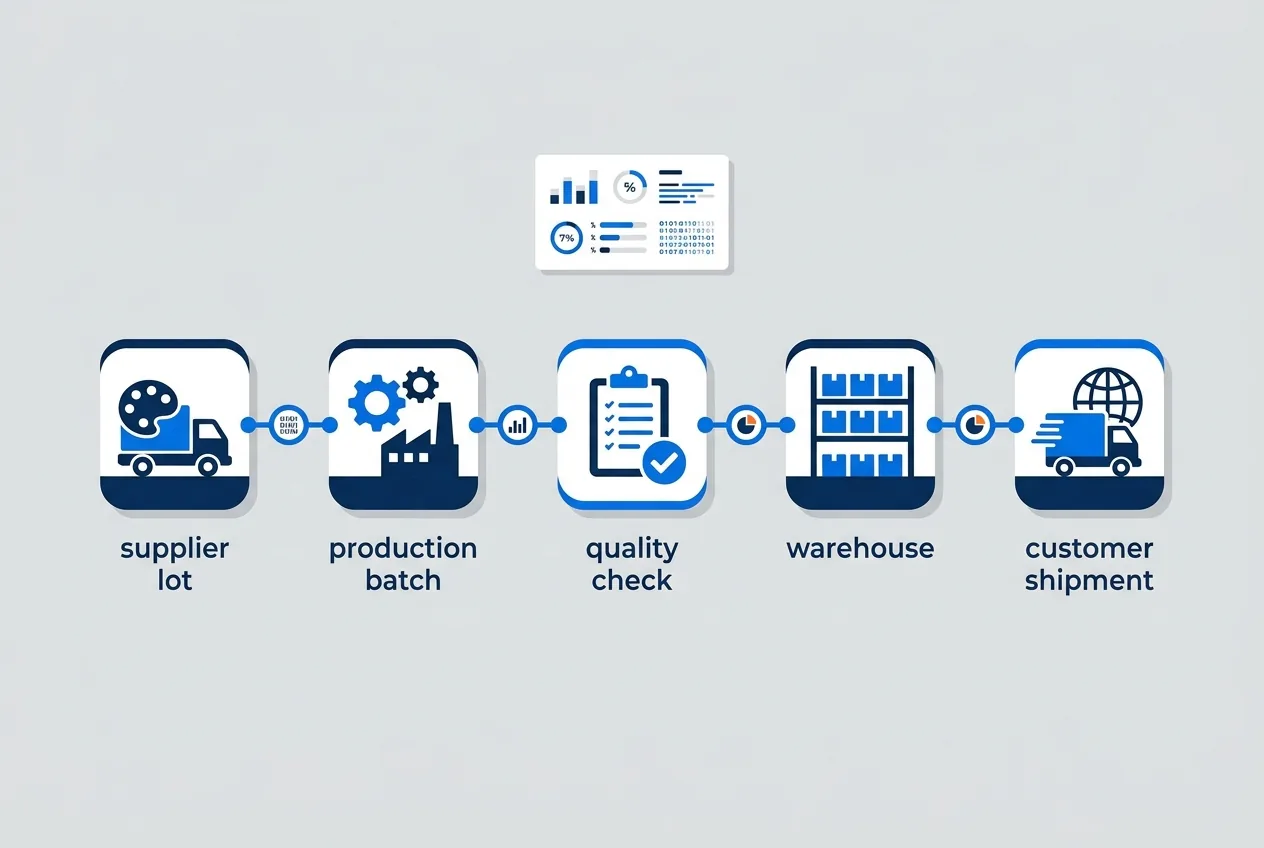
Speeding up month-end across the portfolio
Standard charts of accounts and reporting packs shorten the close and make companies comparable.
Business objective: give the fund timely, consistent performance data.
Integrating an add-on
A repeatable plan moves the acquired company onto shared processes and data.
Business objective: capture synergies sooner.

How we approach delivery and evidence outcomes
We do not publish unverified customer figures on industry pages. This is how we make outcomes measurable in an engagement.
Baseline first
We agree the starting measures with you before design, such as time to close the books, integration cost and reporting consistency.
Delivery in stages
Releases are phased by site and process, so each stage is tested against real operations before the next.
Measured against your targets
Dashboards report the baseline measures from go-live, so benefit is judged on your data.
Examples of Routeget engagements can be discussed in a discovery call, subject to client approval for each reference.
Why Routeget for private equity portfolio
We bring a delivery approach built around the realities of short hold periods, inconsistent reporting and hidden technology risk.
Diligence and portfolio depth
We combine technology diligence with delivery, so findings become a funded roadmap, not a report on a shelf.
Integrated, not stitched together
Core, channels, risk, reporting and finance share one data model, so operational and financial records reconcile.
Phased, low-disruption rollout
We plan releases around deal closings, quarterly reporting and exit preparation to protect service levels.
Data you can act on
Analytics are designed with your operations team, so measures reflect how your plants actually run.
Related reading from the Routeget team
Perspectives on the supply chain, data and integration topics behind this industry.
Why Automating our Supply Chain is Crucial to your Business Success
Why supply chain automation matters for service levels, cost and resilience.
The Evolving Landscape of Data Modernization Engineering
Trends in data modernization engineering and how they affect enterprise platforms.
AI attracts a new generation while assisting Argentine small producers and winemakers in competing
How AI is helping small producers compete in demanding markets.
Explore adjacent industry practices
Plan your private equity portfolio digital foundation with Routeget
Book a 30-minute discovery to walk through your funds, portfolio companies and add-on acquisitions and your priorities with a Routeget industry specialist.
Your details are used only to respond to this enquiry. See our Privacy Policy.
Private Equity Portfolio: questions buyers ask us
How do you engage with a private equity portfolio business?
We usually start with a short discovery and a process review of one portfolio company and its reporting pack. From there we propose a phased scope, which can be fixed-scope for defined releases or a time-and-materials team for ongoing improvement.
Do you support diligence before a deal?
We provide structured technology and systems assessments with findings tied to cost and risk.
Can you standardise reporting across companies?
We design common reporting layers that work alongside each company’s systems.
Who owns the data and the configuration?
You do. The solution runs in your own environment, and configuration, data models and reports are documented and handed over so your team can maintain them.
How do you approach pricing and timelines?
Pricing and timing follow scope, including the number of portfolio companies, add-ons and reporting entities. We share an estimate after discovery, with assumptions and exclusions stated, and we confirm timelines only after reviewing your landscape.