
- Home
- Industries
- Mining & Metals Industry
Digital Transformation for Mining and Metals
Mining and metals businesses run on tonnes, grade and uptime. Routeget connects mine plans, equipment, processing and sales data so output, cost and compliance are clear across the value chain.
30+
clients served
$15M+
Savings Delivered
15+ yrs
Serving the Sector
20+
Projects Delivered
Mining and Metals: where the market stands today
A fact base for planning. All figures below are third-party research estimates, not Routeget data, and they differ by how each firm defines the market.
Critical-minerals demand
Electrification and clean energy increase demand for copper, lithium, aluminium and other critical minerals.
About US$2.2 to 3.1 trillion
MarketResearch.com and Credence Research size the global mining and metals market in this range for 2024.
About 3.6% to 5.1% CAGR
Spherical Insights, Credence Research and KPMG commentary point to growth tied to transition minerals.
Availability, recovery and compliance
Higher fleet availability, better recovery and clean environmental records are the main profit levers.
Sources: MarketResearch.com; Credence Research; Spherical Insights; KPMG. Figures vary by publisher and definition; verify before external citation. Estimates retrieved October 2026 and subject to each publisher’s definitions; verify against the publisher before citing externally.
End-to-end digital transformation
Strategy, platform selection, integration and data work delivered as one programme.
Asset and project data models
Assets, work orders, projects and contracts structured for long-lived infrastructure.
Safety and compliance traceability
Inspections, permits and certifications linked to assets and work.
Field and back-office integration
Connections between field operations, SCADA-adjacent systems, procurement and finance.
Four pressures that shape mining & metals operations
These are the recurring problems we see when extraction, hauling, processing, maintenance and sales operations run on disconnected systems.
Equipment downtime
Fleet maintenance is planned in separate tools from production.
Grade and recovery reconciliation
Mine, plant and sales tonnages do not reconcile cleanly.
Environmental compliance
Monitoring data is compiled manually for regulators.
Capabilities built for extraction, hauling, processing, maintenance and sales operations
Pick the area closest to your priority. Each can be delivered on its own or as part of a wider programme.
Keep mined and processed materials assets safe, productive and costed.
- Asset register with hierarchy and condition data
- Preventive and corrective work orders
- Spare parts and contractor management
- Cost and downtime by asset
Control capital projects and contracts.
- Project budgets, forecasts and change orders
- Subcontractor and progress billing
- Procurement linked to project cost
- Earned-value style reporting
Prove safe, compliant operation.
- Permits, inspections and certifications
- Incident and corrective-action tracking
- Environmental and regulatory reporting
- Audit trails linked to assets and work
Connect field operations to the ledger.
- Production, usage or throughput data capture
- Joint-venture and partner accounting
- Procurement and inventory
- Margin and cost-to-serve reporting
Two scenarios where connected data changes the day-to-day
These are illustrative scenarios that describe the business objective. They are not customer case studies.
Reconciling mine to market
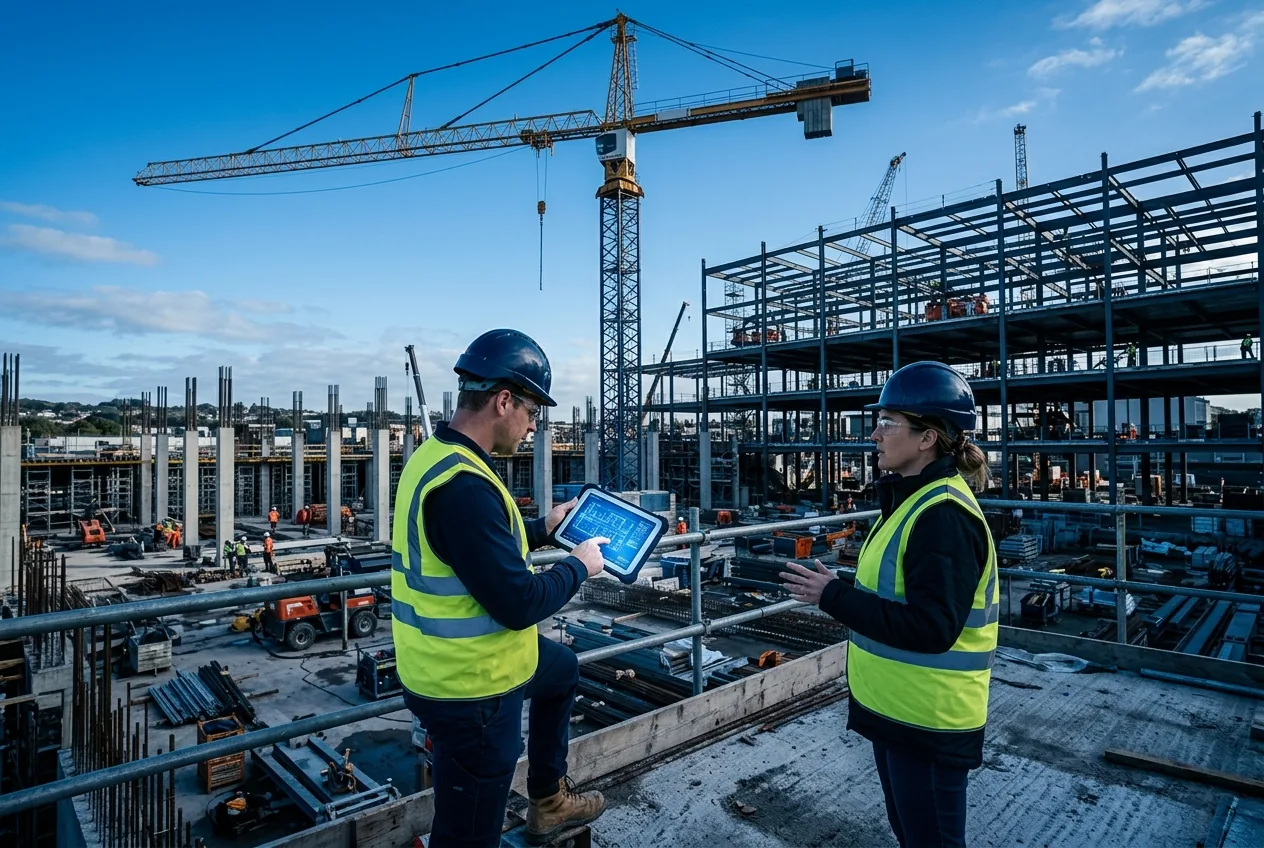
Tonnes and grades reconcile from pit to plant to dispatch.
Business objective: find losses and support accurate sales.
Keeping the fleet available
Condition and usage data plan maintenance around production.
Business objective: lift availability.
How we approach delivery and evidence outcomes
We do not publish unverified customer figures on industry pages. This is how we make outcomes measurable in an engagement.
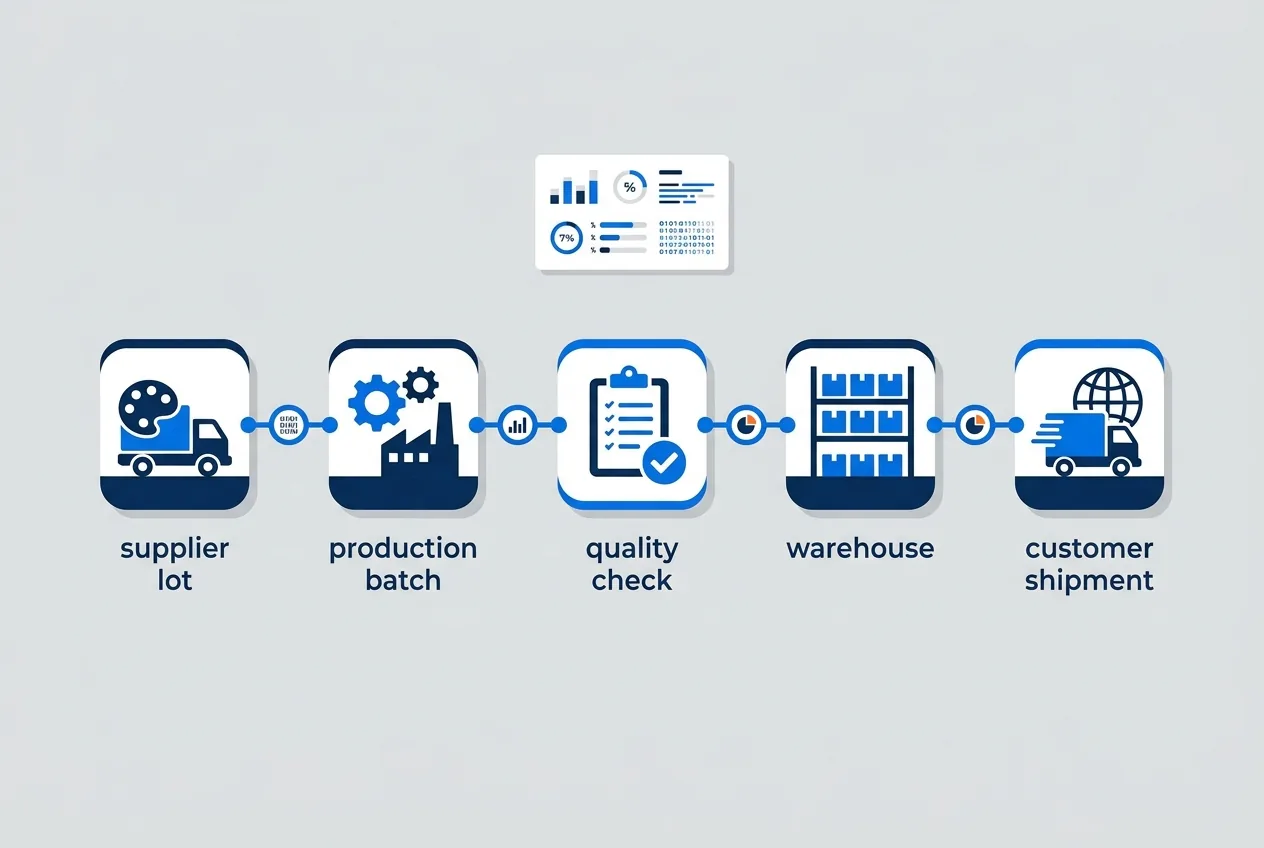
Baseline first
We agree the starting measures with you before design, such as equipment availability, cost per tonne and recovery rate.
Delivery in stages
Releases are phased by site and process, so each stage is tested against real operations before the next.
Measured against your targets
Dashboards report the baseline measures from go-live, so benefit is judged on your data.
Examples of Routeget engagements can be discussed in a discovery call, subject to client approval for each reference.

Why Routeget for mining & metals
We bring a delivery approach built around the realities of remote sites, heavy equipment and tight environmental regulation.
Tonnes, grade and equipment depth
We link production, grade, equipment and cost so cost per tonne is known by site and period.
Integrated, not stitched together
Assets, field operations, projects, procurement and finance share one data model, so operational and financial records reconcile.
Phased, low-disruption rollout
We plan releases around commodity cycles, shutdowns and permitting milestones to protect service levels.
Data you can act on
Analytics are designed with your operations team, so measures reflect how your plants actually run.
Related reading from the Routeget team
Perspectives on the supply chain, data and integration topics behind this industry.
Why Automating our Supply Chain is Crucial to your Business Success
Why supply chain automation matters for service levels, cost and resilience.
The Evolving Landscape of Data Modernization Engineering
Trends in data modernization engineering and how they affect enterprise platforms.
AI attracts a new generation while assisting Argentine small producers and winemakers in competing
How AI is helping small producers compete in demanding markets.
Explore adjacent industry practices
Plan your mining & metals digital foundation with Routeget
Book a 30-minute discovery to walk through your mines, plants, fleets and customers and your priorities with a Routeget industry specialist.
Your details are used only to respond to this enquiry. See our Privacy Policy.
Mining & Metals: questions buyers ask us
How do you engage with a mining & metals business?
We usually start with a short discovery and a process review of one mine or plant and its equipment fleet. From there we propose a phased scope, which can be fixed-scope for defined releases or a time-and-materials team for ongoing improvement.
Can you support remote sites?
Systems can work with limited connectivity and synchronise when online.
Do you track environmental data?
Monitoring and permit data link to sites and are reportable.
Who owns the data and the configuration?
You do. The solution runs in your own environment, and configuration, data models and reports are documented and handed over so your team can maintain them.
How do you approach pricing and timelines?
Pricing and timing follow scope, including the number of mines, plants and equipment units. We share an estimate after discovery, with assumptions and exclusions stated, and we confirm timelines only after reviewing your landscape.